

Competence and performance are two distinct yet interconnected concepts that are frequently used interchangeably but have distinct meanings. Understanding the difference between these terms is essential in various domains. Let's delve into the contrast between competence and performance.
Site blog

The financial sector is constantly evolving and adapting to new regulations and threats. As a result, financial institutions must stay ahead of the curve in terms of their training and education programs to ensure their employees are equipped to detect and prevent financial crimes. One way to do this is by converting traditional, lengthy training programs into shorter, more easily digestible digital modules.

Global organizations face unique challenges when it comes to leadership development and training. With employees located all over the world, it can be difficult to create a cohesive and effective learning program.
In this article, we'll examine the key considerations for developing a global leadership organization's learning strategy and content.
In this article, we'll examine the key considerations for developing a global leadership organization's learning strategy and content.

In today's fast-paced business environment, companies in the UK must continuously adapt and improve in order to stay ahead of the competition. This is where the learning and development (L&D) cycle comes in. It is a systematic process that enables organizations to identify and address the skills, knowledge, and abilities that their employees need in order to meet their current and future business objectives.

In today's rapidly changing business environment, companies must continuously invest in their employees' development to remain competitive and meet their business goals. One of the most important aspects of this is having a strong Learning & Development (L&D) program in place.

The use of learning technology in the UK has increased dramatically over the past few years, as businesses recognize its potential to enhance employee skills and knowledge. With the rise of online learning platforms, e-learning courses, and other digital learning tools, UK organizations are finding innovative ways to support employee development and improve performance.

In today's fast-paced and ever-changing business landscape, organizations are constantly looking for ways to stay ahead of the curve and keep their employees up-to-date with the latest skills and knowledge. One of the best ways to achieve this is by investing in a Learning Management System (LMS) that can help manage and deliver effective online training programs. And when it comes to LMS solutions, DrTutor Elite stands out as the best option for organizations.

In today's highly competitive business world, having a skilled and competent workforce is essential for success. Competencies are defined as the skills, abilities, and knowledge that are required to perform a job effectively. By focusing on developing and refining their employees' competencies, organizations can improve performance, drive innovation, and stay ahead of the curve.
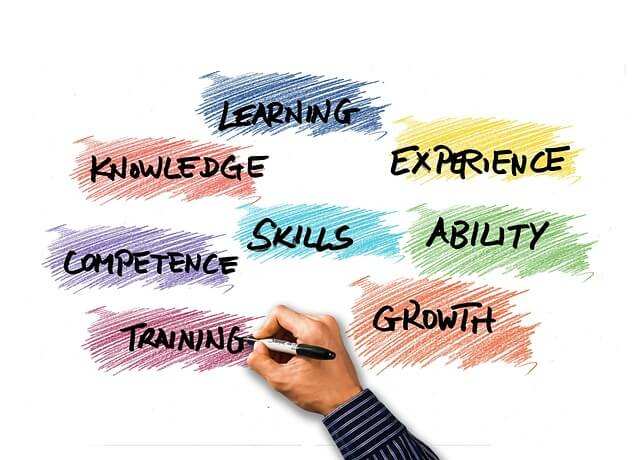
Developing Essential Competencies for Success: The Key to Career Advancement and Personal Growth, In today's fast-paced and ever-changing business world, having a set of essential competencies is critical for success. Competencies are defined as the skills, abilities, and knowledge that are required to perform a job effectively. In order to stay ahead of the curve, individuals must continuously develop and refine their competencies, which can help them achieve their professional and personal goals.

Leadership is a critical aspect of any organization, and it is essential to cultivate and develop leadership competencies in order to succeed. A leader who is competent, confident, and visionary can inspire and motivate employees, create a positive work environment, and drive business success. In this article, we will explore key strategies for developing leadership competencies that will help you to become an effective leader.